The 15 Best Moving and Packing Tips for a More Organized Move
Moving involves more than putting your belongings into boxes. You need to decide what to pack first, how to protect furniture, and where everything will go when you arrive. Without a plan, it's easy to end up with heavy boxes, misplaced essentials, and a moving truck that's difficult to unload.
The best moving and packing tips focus on preparation rather than speed. For households in Corvallis and Springfield, having extra space during a move can also make a difference. If your new home isn't ready for everything at once, our storage options in Corvallis provide a place to keep packed belongings while you settle in.
Here are 15 practical tips to help you pack efficiently, protect your belongings, and stay organized from the first box to the last.
1. Start Packing Before Moving Week
Packing usually takes longer than expected, especially when you have closets, cabinets, and storage areas that haven't been sorted in years. Starting three to four weeks before moving day gives you time to work through your belongings without rushing. Begin with items you rarely use, such as seasonal decorations, extra bedding, and books. Leave everyday kitchen supplies, toiletries, and frequently worn clothing until the final days. This approach keeps your home functional while gradually reducing the amount of work left before the move.
2. Declutter Before You Fill Any Boxes
Moving is a good opportunity to decide which belongings deserve space in your next home. Go through one room at a time and separate items you plan to keep from those you no longer need. Furniture that won't fit your new layout should be considered before you arrange transportation. Pay particular attention to duplicate kitchen supplies, unused electronics, and clothing you haven't worn recently. Donating or selling these items before moving day reduces the number of boxes you need to purchase and transport.
3. Gather Packing Supplies in Advance
Running out of tape halfway through packing a room interrupts your progress. Before starting, gather sturdy moving boxes, packing paper, tape, markers, and protective materials for fragile belongings. Use smaller boxes for dense items such as books and larger boxes for lighter belongings like pillows. At our Corvallis location, we carry moving boxes, packing tape, and protective materials, so you can pick up additional supplies when needed.
4. Pack One Room at a Time
Packing several rooms simultaneously makes it difficult to track what's finished. Focus on completing one room before moving to another, starting with spaces that contain fewer everyday essentials. Keep boxes from the same room together and label them as you go. If you're packing a bedroom, for example, finish the decorative items and extra clothing before moving on to another space. Leave the bedding and clothing you'll need during your final nights until later.
5. Use the Right Box Size for Heavy Items
One of the most useful moving and packing tips is to avoid putting too much weight into a single box. A large carton filled with books becomes difficult to lift and puts unnecessary pressure on its bottom. Pack books, dishes, and other dense belongings in smaller boxes. Use larger cartons for lightweight items that take up more space. Reinforce the bottom seams with packing tape, and test the weight before sealing each box.
A properly packed box should be manageable for the person carrying it, not simply filled.
6. Label Boxes With Their Contents and Destination
Writing "kitchen" on a box tells you where it belongs, but it doesn't tell you what's inside. A more useful label identifies the destination room and a few specific contents, such as "Kitchen: plates and serving bowls." Mark fragile boxes clearly and indicate which side should remain upright. You can also number boxes and maintain a simple inventory on your phone. This is particularly helpful when some belongings are going directly to your new home while others are going into storage.
7. Protect Fragile Items Individually
Glassware, dishes, mirrors, and decorative objects need protection from direct contact with other items. Wrap fragile pieces individually with packing paper or suitable cushioning material, and fill empty spaces inside the box to prevent movement. Plates are often better protected when packed vertically with cushioning between them. Avoid placing heavy objects on top of delicate items, even when the box appears to have room. Before sealing, gently check whether the contents shift when the carton moves.
8. Prepare Furniture Before Moving Day
Large furniture can be difficult to maneuver through doorways and narrow spaces. Measure bulky pieces and check the route they'll need to travel before attempting to move them. Remove detachable legs, shelves, and other components when the manufacturer's instructions allow it. Place screws and hardware in labeled bags, then attach those bags securely to the corresponding furniture or keep them together in a designated hardware box. Use furniture blankets or appropriate protective covers to reduce scratches during transportation. For upholstered pieces, choose breathable protection if they'll remain packed for an extended period.
9. Pack Electronics With Their Accessories
Before disconnecting a television, computer, or entertainment system, take a photo of the cable connections. This gives you a reference when it's time to reconnect everything. Coil cables loosely and label them according to the device they belong to. If you still have the original packaging, it may offer a better fit than a standard moving box. Otherwise, use a sturdy carton with enough cushioning to prevent movement. Back up important files before transporting computers or external drives. Keep especially valuable electronics with you when practical.
10. Keep an Essentials Box Separate
Some belongings should never disappear into the moving truck beneath dozens of other boxes. Pack an essentials container with the items you'll need during your first day and night in the new home. Include medications, chargers, toiletries, basic cleaning supplies, and a change of clothes. Important documents, keys, and valuables are better kept in a personal bag that stays with you. Label the essentials box clearly and transport it where you can reach it immediately. You shouldn't have to unpack the entire kitchen to find a phone charger or a clean towel.
11. Plan Your Moving Truck Before Loading
A moving truck needs enough room for your furniture and boxes, but the loading arrangement matters too. Place sturdy, heavy items toward the front of the truck near the cab, distribute weight evenly, and secure furniture with appropriate straps. Keep heavy boxes low and avoid stacking them on fragile belongings. Mattresses and upholstered furniture should be protected from dirt and abrasion during transport. At Alliance Self Storage, we offer on-site U-Haul truck rentals at both our Corvallis and Springfield locations. If your move includes a storage stop, coordinating the truck rental with your unit access can reduce unnecessary trips.
12. Choose Storage Space Based on What You're Moving
Sometimes your moving schedule doesn't match your new home's availability. You might need to store furniture temporarily while waiting for a lease to begin or keep packed boxes out of the way during renovations. The right storage unit depends on the volume of your belongings and how much room you'll need to retrieve them. A 5x5 unit offers 25 square feet for smaller items, while a 10x10 provides 100 square feet and can accommodate furnishings from a one-bedroom home, depending on their dimensions. Our guide to choosing the right storage unit size explains how different dimensions compare. Measure your largest furniture pieces before choosing a unit, and account for walking space if you'll need regular access.
13. Organize Your Storage Unit for Easy Unloading
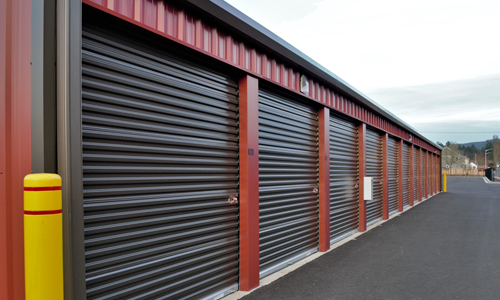
If some belongings are going into storage, decide which items you'll need first before loading the unit. Place frequently used boxes near the entrance and position larger furniture where it won't block access. At our Corvallis facility on NE Lancaster Street, we have drive-up units, a drive-through loading building, and elevator access for indoor storage. Our Springfield location on Horace Street also offers drive-up units and moving carts. These details are worth considering when planning how you'll unload heavy furniture or multiple boxes. For business moves, inventory may need a different arrangement from household belongings. Our business storage guide covers organizing inventory and planning access to stored supplies.
14. Schedule Your Move Around Access Hours
Before reserving a moving truck or arranging help, confirm when you'll be able to access your destination. This matters especially when your move includes a stop at a storage facility. At both of our Alliance Self Storage locations, customers have facility access seven days a week from 5:00 a.m. to 10:00 p.m. Office hours differ between Corvallis and Springfield, so it's worth checking those separately if you need assistance with your rental.
Our Corvallis office is open Monday through Friday from 9:00 a.m. to 6:00 p.m. The Springfield office is open Tuesday through Saturday during those same hours. Planning around these schedules helps avoid arriving when the office is closed.
15. Unpack the Most Important Rooms First
Once everything reaches your new home, resist the urge to open every box immediately. Start with the rooms you need for everyday routines, particularly the bathroom, kitchen, and bedrooms. Assemble beds and put away essential clothing before unpacking decorative items. In the kitchen, focus on the dishes and equipment you'll use during the first few days. Flatten empty boxes as you go so they don't take over the room.
If you're using a storage unit during the transition, keep seasonal belongings and furniture you aren't ready to place in the home packed until you have a clear destination for them.
Make Room for a More Manageable Move
Packing carefully is only part of a successful move. The order you load your belongings, the space available at your destination, and your access to essential items all affect how smoothly moving day goes. At Alliance Self Storage, we provide indoor and drive-up storage options in Corvallis and Springfield, along with on-site truck rentals. Our month-to-month rentals also give you flexibility when your moving dates change, or you need extra time to unpack. If you're planning a move in either community, you can
explore
storage options from Alliance Self Storage to compare available space and access arrangements before deciding what should go directly into your new home.